
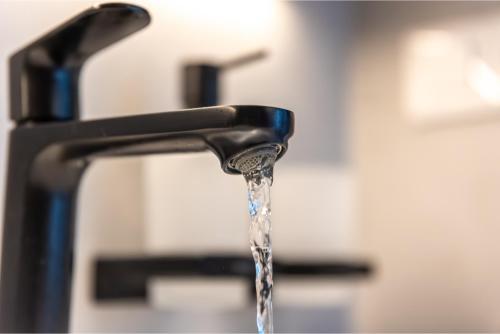
When temperatures drop in Maryland and Northern Virginia, plumbing systems work harder than usual. Water pressure issues in cold weather are one of the most common reasons homeowners call. Frozen pipes, partial blockages, and aging systems often lead to low water pressure winter issues that can disrupt your daily routine.
At Potomac Plumbing & Gas, we regularly help homeowners diagnose and fix cold weather plumbing problems before they turn into costly emergencies. In this blog, we will share professional winter water pressure tips to help you maintain strong, steady flow all season long.
Why Water Pressure Drops in Cold Weather
Before learning how to maintain water pressure, it is important to understand what happens inside your plumbing system during winter. Cold weather affects both your home’s internal pipes and the municipal supply, which can result in noticeable pressure changes.
1. Pipe Contraction
When temperatures drop, metal and plastic pipes naturally contract. This shrinking slightly reduces the internal diameter of the pipe. Even small changes can cut water flow, especially in older homes with mineral buildup. In winter, aging pipes can contract, making pressure issues worse.
2. Partial Freezing
When water freezes, it expands. Even a little ice in a pipe can reduce water flow, causing low pressure. It’s often an early warning that your pipes need better insulation before a blockage or burst happens.
3. Hidden Leaks
When pipes freeze, the expanding ice can cause small cracks. Once the ice melts, those cracks may start leaking, lowering your home’s water pressure. Because leaks often happen behind walls or ceilings, you might first notice reduced pressure, higher water bills, or damp spots instead of visible damage.
4. Municipal Supply Fluctuations
Cold weather does not just affect your home’s plumbing. Local water systems can also experience strain during extreme temperature drops. Frozen mains, ground shifts, and higher water use can all lower pressure in cold weather, even if your plumbing is fine.
Understanding these winter related stress points helps you recognize problems early and take action before minor pressure issues turn into costly plumbing emergencies.
Real Example From a Local Home
Last winter, a homeowner in Bethesda reported weak water pressure in multiple fixtures. They initially believed mineral buildup was the cause.
After inspection, we found a partially frozen main supply pipe in the crawl space. Ice had reduced the internal diameter by nearly half.
We safely thawed the pipe, installed insulation, and added protective measures. The total repair cost remained under 500 dollars. If left untreated, the pipe likely would have burst, causing structural water damage exceeding several thousand dollars.
This is why early intervention matters.
Step By Step Guide to Maintain Water Pressure in Cold Weather
Here is a simple professional approach to help prevent Water Pressure in Cold Weather problems.
Step 1: Inspect Vulnerable Areas
Check crawl spaces, garages, exterior walls, unfinished basements, and attics where cold air can reach pipes. Look for frost, damp insulation, or pipes that feel extremely cold. If a pipe feels near freezing, it is at risk.
Step 2: Insulate Exposed Pipes
Foam pipe insulation is one of the most effective preventative measures. In higher risk areas, additional insulation or professional heat cable installation may be needed. Proper insulation helps maintain water pressure during winter.
Step 3: Keep Indoor Temperatures Stable
Do not let your home drop below 55 degrees. Sudden temperature drops are a major cause of low water pressure winter issues. Maintain consistent heat even when away.
Step 4: Let Faucets Drip During Freezing Nights
A slow drip keeps water moving and reduces the chance of freezing and pressure buildup. This simple winter water pressure tip can prevent costly repairs.
Step 5: Open Cabinet Doors
Open cabinets under sinks along exterior walls to allow warm air to circulate around pipes.
Step 6: Monitor Pressure and Warning Signs
Normal residential pressure is typically between 40 and 60 PSI. If pressure drops suddenly or you notice pipe noises, discolored water, damp drywall, or ice on exposed pipes, call a plumber immediately. Early action prevents pipe bursts.
Common Winter Water Pressure Problems
Low Pressure in One Fixture
If only one sink or shower has weak flow, the problem is usually localized. A frozen branch line along an exterior wall is common in winter, though a clogged aerator may also cause low water pressure winter symptoms. Clean the aerator first. If pressure does not improve, check for freezing and thaw safely using warm air. Call a professional if the pipe is not accessible.
Low Pressure Throughout the Home
When all fixtures have reduced pressure, the issue may involve a partially frozen main line, a failing pressure regulator, or a small leak from freeze damage. Whole home water pressure in cold weather problems should be inspected promptly to safely Maintain Water Pressure and prevent pipe bursts.
Pressure Drops Then Returns
Fluctuating pressure during freezing weather often means ice is forming and shifting inside the pipe. Temporary improvement does not mean the issue is resolved. This cycle increases the risk of bursting and should be evaluated by a professional before it becomes an emergency.
Cost Information: What to Expect
Winter plumbing costs vary depending on severity.
| Service | Average Cost Range |
| Pipe insulation install | $150 to $500 |
| Heat tape install | $300 to $800 |
| Frozen pipe thawing | $250 to $600 |
| Burst pipe repair | $800 to $2,500+ |
Preventative service is always more affordable than emergency repair.
DIY vs Professional Service
When trying to maintain water pressure during winter, homeowners often wonder whether they should handle the issue themselves or call a licensed plumber. Both approaches have advantages and limitations.
DIY Pros
- Lower Upfront Cost
Basic prevention methods such as pipe insulation, keeping cabinets open, and allowing faucets to drip are inexpensive and easy to implement. - Immediate Action
You can respond quickly when temperatures drop without waiting for a service appointment, which can be helpful during sudden cold snaps. - Simple Preventative Fixes
Installing foam insulation sleeves, sealing small drafts, and maintaining indoor heat are effective winter water pressure tips that reduce the risk of low water pressure winter problems.
DIY Cons
- Risk of Improper Thawing
Using the wrong method to thaw a frozen pipe can weaken joints or create sudden bursts. - Heat Guns and Open Flames Can Cause Pipe Damage
Direct high heat can crack pipes or damage surrounding materials, increasing repair costs. - Hidden Leaks May Go Undetected
A partially frozen pipe may develop small cracks that are not visible. Without proper tools, these issues can remain unnoticed until major damage occurs.
Professional plumbers use specialized thawing equipment, pressure gauges, and inspection tools to safely restore Water Pressure in Cold Weather without causing additional damage.
Regional Winter Complications
Winter is hard on plumbing in Maryland and Northern Virginia. Older copper pipes and uninsulated crawl spaces make freezing more likely, especially with quick temperature swings. Brick homes with limited insulation can also trap cold air around pipes.
Because of these regional factors, proactive maintenance is especially important to maintain water pressure throughout the winter season.
Additional Services That Help Maintain Water Pressure
At Potomac Plumbing & Gas, we provide comprehensive services designed to protect your plumbing system year round. These services not only address current problems but also help prevent future Water Pressure in Cold Weather issues.
Our related services include:
- Leak detection services
- Water heater installation and maintenance
- Gas line services
Routine preventative maintenance is the most reliable way to avoid costly winter plumbing emergencies.
Why Trust Potomac Plumbing & Gas
When it comes to winter water pressure tips, experience truly matters. Plumbing systems are complex, and cold weather often exposes weaknesses that go unnoticed during warmer months.
Potomac Plumbing & Gas provides:
- Licensed and insured technicians
- Decades of regional experience
- Transparent pricing
- Fast winter response times
- High quality workmanship
We understand local homes, local building codes, and the seasonal plumbing challenges specific to Maryland and Northern Virginia. Our team focuses on long term solutions that help homeowners maintain water pressure safely and efficiently all winter long.
FAQs About Winter Water Pressure
Why does my water pressure drop only in winter?
Cold weather makes pipes contract and can even cause ice to form inside them. Even a small buildup can restrict water flow and lower pressure. Pipes along exterior walls or in crawl spaces are especially vulnerable during winter.
Is low water pressure always caused by frozen pipes?
Not always. While freezing is common in winter, low water pressure can also stem from mineral buildup, hidden leaks, a failing valve, or temporary supply changes. In older Maryland and Northern Virginia homes, it’s often a combination, so a professional diagnosis guarantees the real issue gets fixed.
Can frozen pipes fix themselves?
Minor ice buildup may melt naturally when temperatures rise, and pressure might temporarily return to normal. However, waiting is risky. As water freezes, it expands and increases internal pressure within the pipe. This expansion can create small cracks that later develop into leaks or bursts. Even if flow returns, the pipe may already be weakened.
How can I safely thaw a frozen pipe?
If you can see and reach the frozen pipe, gently warm it with a hair dryer or space heater from a safe distance, starting near the faucet and working back. Never use open flames or high heat, they can damage pipes and cause fires. If the pipe is behind a wall or ceiling, call a licensed plumber to prevent further damage.
How do I know if my pressure regulator is failing?
If your water pressure goes up and down, your pipes bang or vibrate, or the flow feels weak throughout the house, your pressure regulator could be the problem. Cold weather can make it more noticeable. A licensed plumber can check your PSI and let you know if it just needs an adjustment or if it’s time for a replacement.
Should I shut off my water if I lose pressure?
If pressure drops suddenly and you suspect freezing, shutting off the main water valve is a smart precaution. This step can prevent flooding if a frozen pipe bursts during thawing. After turning off the water, contact a professional to inspect the system and restore Water Pressure in Cold Weather conditions safely.
Final Thoughts on Maintain Water Pressure This Winter
Strong water pressure is not just about comfort. It protects your plumbing system from strain and potential failure.
By following these winter water pressure tips, you can reduce the risk of low water pressure winter issues and keep your plumbing system operating efficiently.
If you are experiencing Water Pressure in Cold Weather problems or want preventative maintenance before the next freeze, contact us today. Our expert technicians are ready to help you maintain water pressure safely and effectively all winter long.
Stay warm, stay protected, and keep your water flowing strong.