
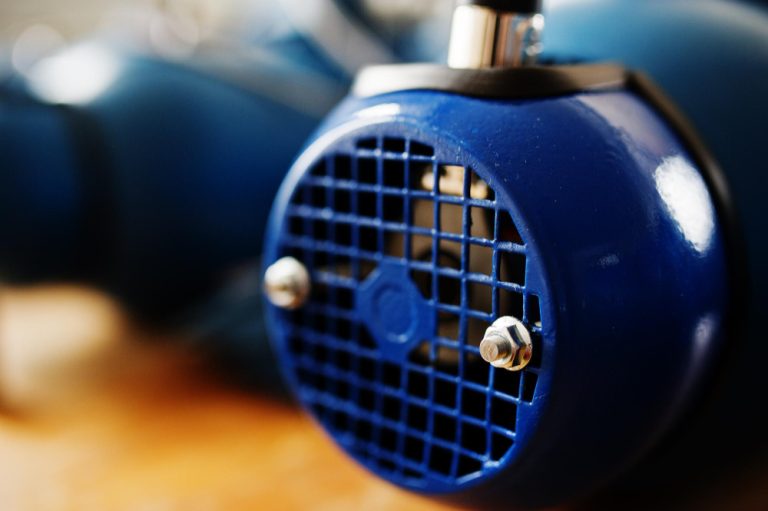
When a major storm rolls in, your sump pump becomes one of the most important systems in your home. It quietly protects your basement from flooding, structural damage, and costly repairs. But like any mechanical system, it will not last forever.
Recognizing sump pump failure signs early can make the difference between a dry basement and a disaster. As professional plumbers at Potomac Plumbing & Gas, we have helped countless homeowners prevent water damage by catching issues before they escalate.
In this guide, we will walk you through the most common signs of sump pump failure, what causes them, and practical sump pump maintenance tips to keep your system working when you need it most.
Why You Should Never Ignore Sump Pump Failure Signs
A failing sump pump rarely stops working all at once. In most cases, it gives off early warning signs that homeowners often overlook. Because the system is out of sight, these issues can go unnoticed until water starts collecting in your basement.
Ignoring these signs can lead to serious problems, including flooding, mold growth, and damage to your floors and walls. What could have been a simple fix can quickly turn into a costly repair. Acting early is the best way to protect your home. If you are unsure, the experts at Potomac Plumbing & Gas can inspect your system and recommend the right solution before the next storm.
Top Sump Pump Failure Signs Before the Next Storm
Unusual Noises During Operation
Your sump pump should run quietly with a steady hum. Grinding, rattling, or clanking sounds often indicate worn motor parts, a damaged impeller, or loose components. Any sudden change in noise is a clear warning sign that should be checked right away.
Constant Running or Short Cycling
A sump pump should only run when needed. If it runs continuously or turns on and off frequently, it may have a stuck float switch, poor installation, or high groundwater pressure. This can quickly wear out the motor and lead to failure.
Visible Rust or Corrosion
Rust can affect how your sump pump performs and may signal buildup from iron bacteria. This can clog lines and reduce efficiency. If you notice corrosion, it is a strong sign of sump pump failure that should not be ignored.
Irregular Cycling Behavior
If your pump activates without much water present, it may be improperly sized or installed. This causes unnecessary strain, increases energy use, and shortens the life of the system over time.
Excessive Vibrations While Running
Strong vibrations often mean the impeller is damaged, usually from debris. This reduces efficiency and can lead to more serious internal damage if left unaddressed.
Water Not Draining Properly
If water is not being removed from the pit, your sump pump is not working correctly. This could be due to a clogged line, blocked intake, or failing motor. In this case, it is best to contact a professional for sump pump repair services before flooding occurs.
Your Sump Pump Is Over 7 Years Old
Most sump pumps last between 7 to 10 years. Older units are more likely to fail during heavy rain, even if they seem to be working. Replacing an aging pump early can help you avoid unexpected breakdowns.
What Causes Sump Pump Failure?
Understanding what causes sump pump failure can help you take proactive steps and avoid unexpected breakdowns. Most issues develop over time and can often be prevented with proper care and attention.
Power Failures
One of the most common causes of sump pump failure is loss of power during storms. Since heavy rain often comes with outages, your pump may stop working exactly when you need it most. Without a backup system in place, this can quickly lead to flooding.
Clogged Discharge Lines
Debris, dirt, or even ice can block the discharge line and prevent water from flowing away from your home. When this happens, water can back up into the sump pit and overwhelm the system, reducing its effectiveness.
Poor Installation
If a sump pump is not properly sized or installed, it may struggle to keep up with water demand. Incorrect setup can lead to frequent cycling, reduced efficiency, and premature wear on key components.
Lack of Maintenance
Neglecting regular maintenance is one of the leading causes of sump pump failure. Over time, dirt and debris can build up, parts can wear down, and small issues can go unnoticed. Routine inspections and testing are important to keeping your system working reliably.
By understanding these common causes, you can take simple steps to extend the life of your sump pump and make sure it performs when it matters most.
Professional Sump Pump Maintenance Tips
Routine maintenance is the best way to extend the life of your system and prevent unexpected breakdowns.
Test Your Pump Regularly
Pour water into the pit to guarantee the pump activates properly.
Clean the Pump and Pit
Remove debris that could clog the system.
Inspect the Discharge Line
Make sure water is flowing away from your home.
Check the Power Source
Make sure the unit is plugged in and functioning.
Install a Backup System
Battery backups provide protection during power outages.
For year round peace of mind, many homeowners choose the Otter Club Service Plan, which includes routine maintenance and priority service.
When Should You Call a Professional?
If you notice any of these sump pump failure signs, it is best to act quickly before the problem gets worse. Small issues can escalate fast, especially during heavy rain when your system is under the most pressure.
You should call a professional if:
- Your pump is making unusual noises such as grinding or rattling
- Water is not draining properly from the sump pit
- The system runs constantly or cycles too frequently
- Your pump is older and nearing the end of its lifespan
Delaying repairs can lead to basement flooding, water damage, and more expensive fixes down the line. Getting a professional inspection early helps guarantee your sump pump is ready when you need it most.
Why Homeowners Trust Potomac Plumbing & Gas
At Potomac Plumbing & Gas, we bring real world plumbing experience to every job. Our team understands how urgent sump pump issues can be, especially during heavy rain, and we focus on delivering reliable, long term solutions that homeowners can count on.
Here is what sets us apart:
- Licensed and experienced plumbers who handle every job with precision and care
- Honest diagnostics with transparent pricing so you always know what to expect
- Fast and dependable service when you need it most
- Preventative maintenance solutions to help you avoid future problems
We are committed to doing the job right the first time while keeping your home protected year round. We also offer opportunities for skilled professionals who want to grow in the trade. If you are interested, check out our career opportunities.
DIY vs Professional Repairs
While basic sump pump maintenance can be handled by homeowners, more complex repairs should always be left to trained professionals. Knowing the difference can help you avoid costly mistakes and keep your system running safely and efficiently.
DIY Tasks
There are a few simple maintenance steps you can perform on your own to keep your sump pump in good condition:
- Cleaning the sump pit to remove dirt, debris, and buildup that can clog the system
- Testing the float switch by adding water to make sure the pump activates properly
- Checking for visible debris or blockages around the intake and discharge line
These tasks are easy to perform and can help you catch early sump pump failure signs before they become serious problems.
Professional Services
More advanced issues require the expertise and tools of a licensed plumber:
- Motor repairs or replacement when the pump is no longer functioning efficiently
- Electrical diagnostics to identify wiring issues or power failures
- Full system replacement if the unit is outdated or beyond repair
Attempting to fix complex problems without proper training can make the issue worse and may even damage the entire system. When in doubt, it is always safer and more cost effective to call a professional.
FAQs About Sump Pump Failure Signs
- What are the most common sump pump failure signs?
The most common sump pump failure signs include unusual noises, constant running, visible rust buildup, and poor drainage. You may also notice excessive vibration or irregular cycling. These issues typically point to internal wear, clogged components, or motor problems that can reduce efficiency and lead to complete system failure if not addressed early.
- How often should I maintain my sump pump?
You should inspect and test your sump pump at least once a year to guarantee it is working properly. However, if your home is in an area with frequent storms or a high water table, it is best to check it every few months. Routine maintenance helps catch small issues before they turn into costly repairs.
- Can a sump pump fail without warning?
Yes, a sump pump can fail suddenly, especially during power outages or extreme weather conditions. However, most systems do show warning signs beforehand, such as strange noises or reduced performance. Paying attention to these early signs of sump pump failure can help you avoid unexpected breakdowns.
- Should I repair or replace my sump pump?
If your sump pump is relatively new and the issue is minor, a repair may be sufficient. However, if the unit is over 7 to 10 years old, frequently breaks down, or struggles to keep up during heavy rain, replacement is often the more reliable and cost effective solution.
- What is the best way to prevent sump pump failure?
The best way to prevent sump pump failure is through regular maintenance, proper installation, and routine testing. Keeping the sump pit clean, checking the discharge line, and ensuring the float switch is functioning correctly can significantly extend the life of your system.
- Do I really need a backup sump pump?
Yes, a backup sump pump is highly recommended. It provides an extra layer of protection during power outages or when your primary pump fails. This is especially important during storms, when your sump pump is needed the most and the risk of failure is highest.
Protect Your Home Before the Next Storm Hits
Your sump pump is your home’s first line of defense against flooding. Recognizing early sump pump failure signs can help you avoid major damage and costly repairs. Whether you are dealing with unusual noises, poor drainage, or an aging system, taking action early is key.
For expert help, trust the professionals at Potomac Plumbing & Gas. Their team is ready to inspect, repair, and maintain your sump pump so you are fully prepared before the next storm hits.