
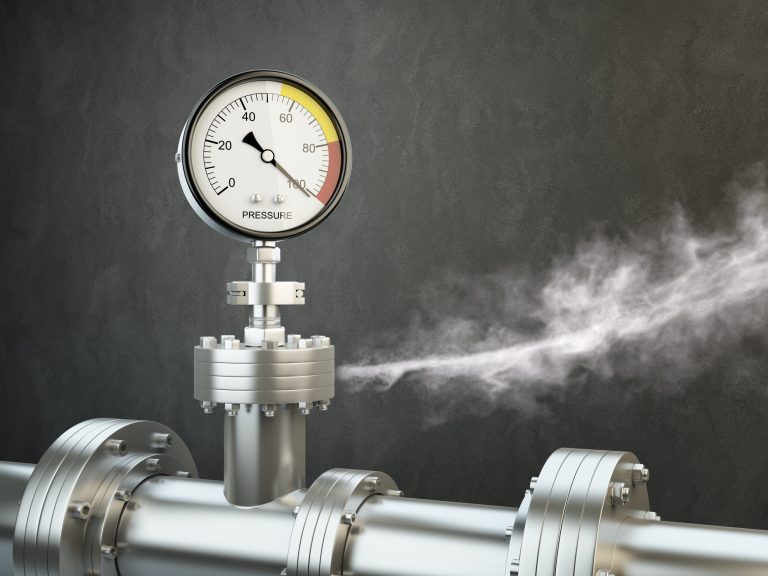
Warm weather means it’s finally time for backyard BBQs and fire pits. If you’re thinking about upgrading to a permanent gas line for your grill or outdoor kitchen, remember that safety comes first. Keeping your outdoor connections secure is a huge part of home safety, and scheduling expert gas leak services summer inspections is the best way to guarantee that everything is hooked up correctly.
Before you start cooking this season, take a moment to understand how your system works and where it might need a little TLC. Routine maintenance from the experts at Potomac Plumbing & Gas will keep your property safe and give you total peace of mind. Proactive checks mean you can focus on hosting your friends and family instead of worrying about your gas lines.
The Growth of Outdoor Gas Appliances and Residential Gas Safety
Backyards are now full-fledged outdoor kitchens with built-in grills, stoves, and even fireplaces. Instead of dealing with expensive, inconvenient portable propane tanks for these high-output appliances, many homeowners are switching to natural gas lines. To guarantee a safe start to the season, don’t forget to schedule your annual gas leak services summer inspection.
While connecting to your main gas supply is convenient, it extends your pipe network into the backyard, exposing it to unique threats like shifting soil, weather changes, and yard tools. For guaranteed residential gas safety, your outdoor hookups require the same professional care as your indoor furnace. Trust the experts at Potomac Plumbing & Gas to keep your entire system secure.
Common Causes of Summer Gas Line Degradation
While winter gets all the attention for plumbing issues, summer weather brings its own risks. As the ground cycles between being bone-dry and soaking wet from storms, the shifting soil puts physical stress on your buried gas lines. If they aren’t perfectly supported, this constant movement can cause joints to loosen or even crack, making professional repairs a must.
Yard tool impact and landscaping accidents are another frequent cause of exterior pipe damage during the warmer months. Lawn mowers bumping into exterior risers, line trimmers striking exposed valves, or deep digging for new landscaping projects can easily puncture or dislodge a connection.
If you are planning a major backyard renovation, such as adding a new drainage system or installing a pool, you might also need an expert team for a sump pump installation to manage groundwater, which requires careful mapping of existing utility lines beforehand.
Outdoor pipes and grill hoses take a beating from rain, sun, and yard wear. Catching these weak spots early with a summer gas leak service check keeps your backyard safe.
Signs You Need Professional Gas Leak Services Summer Inspections
Keeping your home safe means trusting your senses. Since natural gas is invisible and odorless, utilities add a distinct “rotten egg” smell to tip you off. If you notice a persistent sulfur whiff around your yard, or spot a mysterious patch of dead grass where a buried leak might be suffocating the soil, don’t wait, call in the pros immediately.
Audial cues and physical disturbances are final indicators of trouble. A high-pressure line that suffers a breach will often create an audible hissing or whistling sound, even if the line is buried beneath soil or hidden behind an exterior wall.
Additionally, if you notice bubbling in puddles or damp soil areas when it hasn’t rained, or if dirt is actively blowing upward from a spot in your yard, it indicates gas is escaping under pressure. Professional leak detection protocols can pinpoint the exact coordinate of the underground breach without tearing up your entire landscape.
Step-by-Step Guide to Safe BBQ Season Preparation
Preparing your home for a season of outdoor cooking involves more than just scrubbing down the grill grates. Taking a methodical approach to checking your fuel delivery system makes sure that everything functions flawlessly.
First, perform a visual inspection of connections. Examine every visible inch of the supply lines running to your outdoor appliances. Check for signs of rust, fraying on flexible hoses, or loose mounting brackets along your home’s foundation.
Second, utilize the soapy water test. For exposed valves and hookups, you can apply a mixture of equal parts dish soap and water to the joints using a brush or spray bottle. Turn on the main fuel valve without igniting the appliance. If you see bubbles continuously forming and growing, fuel is escaping, and you need to shut off the valve and contact a professional.
Third, make sure to clear the surrounding area. Make sure that climbing vines, tall weeds, and stored outdoor items are cleared away from your external meters, shut-off valves, and regulators. Quick access to these points is vital in an emergency.
Fourth, verify professional appliance settings. If you have upgraded your backyard setup, make sure that your system can handle the load. For instance, running an outdoor kitchen while your household simultaneously uses indoor appliances requires stable pressure.
Homeowners occasionally mistake line pressure drops for plumbing issues, but if you notice general utility drops alongside fluctuating appliance performance, you may need an expert to inspect your main lines or check for underlying issues like low water pressure to guarantee your home systems are balanced.
Why DIY Gas Work Is a Major Risk
While DIY tutorials make most home projects look easy, structural fuel lines are a dangerous exception. A single mistake can trigger catastrophic fires or cause incomplete combustion, quietly filling your home with deadly, odorless carbon monoxide. For your safety, this is one job that must always be left to licensed pros.
Finally, think about regulatory compliance and home insurance. Most municipalities require formal permits and certified technicians for any line modification or installation. If an unpermitted DIY project results in property damage, home insurance providers routinely deny coverage. Relying on a licensed plumber guarantees all work meets local safety codes and manufacturer specifications.
What to Do If You Suspect a Leak
If you smell a strong odor, hear hissing, or have any reason to believe a line has been breached, you must act decisively. Safety should always take precedence over troubleshooting.
Begin by evacuating the area immediately. Gather all family members and pets and leave the vicinity right away. Do not stay outside near the suspected line. While exiting, make sure to avoid using electronic devices. Do not use cell phones, flashlights, or garage door openers near the area, and do not turn light switches on or off, as a tiny electrical spark can trigger an ignition.
Furthermore, do not attempt to shut off the fuel if the leak is discovered late. If you can easily turn off the main valve on your way out without entering a high-concentration area, do so. Otherwise, leave it alone. Once you are safely away from the property, call for help from a safe distance by contacting your local emergency services or your utility provider’s emergency hotline.
Finally, contact specialists for remediation. After the immediate hazard is stabilized by emergency responders, contact a team specializing in gas leak services summer repairs to completely renew the damaged infrastructure before reusing your appliances.
Upgrading Your Backyard: Professional Line Installation
If you are planning to transition from portable propane cylinders to a permanent line this year, early planning is key. A professional gas line installation involves calculating the total British Thermal Unit demands of all your appliances combined to make sure that the existing meter and main service line can supply enough fuel volume.
During this planning phase, technicians determine the optimal routing for your new lines, selecting weather-resistant materials and embedding underground sections at precise depths with protective tracking tape. This meticulous engineering guarantees your new kitchen setup operates efficiently without starving your indoor appliances, like your heating system or indoor water heater, of fuel when you need them most.
Partnering with Potomac Plumbing & Gas for a Carefree Summer
Enjoying a relaxed, fun summer season relies on knowing your home systems are solid, stable, and completely secure. Don’t leave your backyard safety to chance or guess whether an old connection is holding up.
Our experienced, licensed professionals are ready to help you handle everything from simple pre-season evaluations to complex emergency repairs and brand-new line installations. For reliable assistance with your system, learn more about our comprehensive plumbing and gas solutions by visiting the Department of Energy for energy safety guidelines, checking out the American Gas Association for industry standards, or viewing residential safety tips via the National Fire Protection Association. Protect your home and your guests by scheduling your professional checkup today.
Frequently Asked Questions
How often should outdoor lines be checked?
Outdoor fuel lines should undergo a detailed visual review by the homeowner before every grilling season, with professional inspections recommended every few years or whenever you install a new appliance. Environmental exposure makes regular monitoring an important component of overall residential gas safety.
Can I use flexible indoor appliance hoses for my outdoor grill?
No. Outdoor installations require specialized hoses and piping designed to withstand ultraviolet radiation, extreme temperature shifts, and physical moisture. Using indoor-rated components outside leads to rapid degradation and creates significant safety risks.
What should I do if my grill flame is weak or yellow?
A weak, yellow flame instead of a crisp blue one usually points to improper pressure delivery or a blockage in the burner venturi tubes, often caused by spiders or debris. Turn off the system and have an expert check the line pressure and appliance connections to rule out a subtle leak.
Does insurance cover the cost of line repairs?
Coverage depends entirely on your specific policy and the root cause of the damage. If a line is accidentally ruptured during sudden excavation, it might be covered under specific structural clauses. However, damage caused by long-term neglect or slow corrosion is typically the homeowner’s responsibility, making regular gas leak services summer preventative checkups a smart investment.
How deep are residential outdoor lines buried?
Typically, residential lines must be buried between twelve to eighteen inches below the surface, depending on local building codes and the type of piping material used. Always call your local utility location service before doing any backyard digging project to avoid striking a line.