
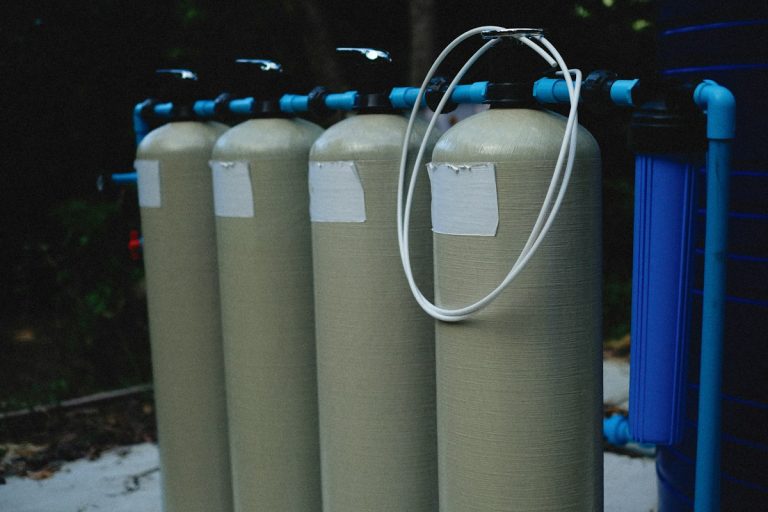
Winter can put extra stress on your plumbing, and your water softener is no exception. If white spots appear on dishes, your skin feels unusually dry, or mineral buildup returns to your faucets, it may be time for water softener repair before minor issues become costly problems.
At Potomac Plumbing & Gas, we help homeowners keep their water clean, their appliances protected, and their plumbing running smoothly throughout the colder months. With professional service and flexible financing options for qualifying projects, we make it easier to address water softener problems before they disrupt your home’s comfort.
Why Water Softener Repair Matters During Winter
Your water softener works year-round to keep minerals like calcium and magnesium from building up in your plumbing. When it stops working, hard water can leave stubborn deposits on faucets, inside pipes, and in appliances like dishwashers and water heaters. These problems can be especially frustrating during winter when your household relies on hot water every day.
While a faulty water softener won’t directly cause frozen pipes, cold weather can make existing plumbing problems harder to deal with. Over time, mineral buildup can affect water flow and appliance efficiency. Scheduling water softener repair at the first sign of trouble can help you avoid bigger headaches and keep your home’s water running smoothly throughout winter.
Common Signs You Need Water Softener Repair During Winter
A water softener rarely stops working without some indication that something is wrong. Recognizing changes in your water quality and equipment operation can help you decide when to request professional service.
Hard Water Stains Start Appearing Again
White buildup on faucets, cloudy glasses, or spotted dishes could mean your softener isn’t working properly. Low salt levels, incorrect settings, or regeneration problems may be responsible. If these signs continue, consider professional water softener repair.
Your Water Softener Uses Too Much or Too Little Salt
Unusual salt consumption can signal trouble. If salt levels barely change, a salt bridge or regeneration issue may be the cause. Excessive salt use, however, could indicate incorrect settings or faulty valves.
Water Pressure Becomes Noticeably Weaker
Weak water pressure may result from mineral buildup or blockages inside your softener. However, frozen pipes or hidden leaks can cause similar problems. Our experienced plumber can inspect your system and identify the cause.
Your Softener Makes Unusual Noises
While some noise during regeneration is normal, constant clicking, grinding, or running water may signal a problem. These sounds could indicate faulty valves or worn components that need professional attention.
Water Collects Around the Equipment
Puddles near your softener may indicate leaking fittings, damaged seals, or brine tank problems. Check where the water is coming from and contact a professional promptly to prevent further damage.
Getting your water softener repaired promptly can help protect your floors, walls, and belongings from water damage. Even a small leak can turn into a bigger problem if left unchecked. Taking care of it early can save you from costly repairs and unnecessary stress.
How Cold Weather Can Affect Your Water Softener
Although most water softeners operate indoors, their location and surrounding conditions can influence performance during winter.
Freezing Temperatures in Unheated Spaces
Water softeners installed in garages, unfinished basements, or other poorly heated areas may be vulnerable to freezing. Water remaining inside the equipment, valves, or connected pipes can expand when temperatures fall below freezing.
This expansion may damage fittings, seals, or internal components. If you suspect the unit has frozen, avoid forcing valves, operating the system, or applying direct high heat. Have the equipment inspected before returning it to normal operation.
Changes in Household Water Consumption
Winter routines can change how much water your family uses. Holiday visitors, additional laundry, and increased indoor activity may place greater demand on the softener.
A system programmed for lower water consumption might regenerate at unsuitable intervals if household usage changes significantly. Reviewing your equipment settings can help determine whether the issue involves maintenance, programming, or an actual mechanical failure.
Mineral Buildup in Plumbing and Appliances
When a softener performs poorly, untreated hard water can gradually contribute to scale formation. This is particularly troublesome for water heaters because mineral deposits can interfere with heat transfer and increase maintenance requirements.
A functioning softener helps limit hardness related scale, although it does not eliminate every possible cause of sediment or corrosion. Addressing performance problems early can protect equipment that your household relies on throughout winter.
When Should You Schedule Professional Water Softener Repair?
Not every change in water quality requires immediate replacement. Some problems involve simple adjustments, while others require professional diagnosis. The best time to request water softener repair is when a warning sign continues after basic maintenance or when the equipment develops a leak or operational fault.
Before the First Major Freeze
If your softener is located near an exterior wall or in an unheated space, arrange an inspection before sustained freezing temperatures arrive. A technician can examine visible connections, evaluate equipment operation, and identify areas that may require additional freeze protection. This is also a practical time to review salt levels and regeneration settings.
When Basic Maintenance Does Not Restore Performance
If you have refilled the salt tank, checked the settings, and allowed the equipment to complete a normal regeneration cycle without improvement, the issue may involve internal components. Continuing to add salt will not resolve a failed valve, damaged resin bed, or defective control mechanism. Professional water softener repair helps determine which component needs attention.
When Leaks or Repeated Malfunctions Occur
A persistent leak, repeated error message, or continuous regeneration problem should be evaluated promptly. Delaying repairs can increase water waste and may expose nearby surfaces to moisture damage.
If you need experienced plumbers near me, our team at Potomac Plumbing & Gas provides professional assistance for homeowners in Front Royal and surrounding service areas.
What Happens During Professional Water Softener Repair?
A proper repair begins with understanding why the system is not delivering the expected water quality. At our company, we focus on identifying the problem and recommending a practical solution rather than replacing equipment unnecessarily.
System Inspection and Water Testing
We begin by examining the equipment, visible connections, control settings, and signs of leakage or unusual wear. Water hardness testing helps determine whether the softener is reducing mineral levels as expected. This information can distinguish a genuine treatment problem from other plumbing concerns.
Checking the Brine Tank and Regeneration Cycle
The brine tank supplies the salt solution used to regenerate resin in conventional softeners. Salt bridging, accumulated residue, blocked components, or incorrect settings can interfere with this process. A technician can examine these areas and determine whether cleaning, adjustment, or component repair is appropriate.
Repairing Worn or Damaged Components
Depending on the diagnosis, service may involve correcting valve problems, replacing damaged seals, addressing control issues, or restoring proper regeneration. Our water softener repair services are designed to help restore reliable operation and reduce recurring hard water problems.
After the repairs are finished, it’s important to test your water softener to make sure everything is working properly. This helps confirm that the original problem has been fixed. It also gives you peace of mind knowing your system is ready to handle your household’s water needs.
How to Prevent Winter Water Issues With Proper Softener Care
Good maintenance habits can reduce unexpected breakdowns and help your water treatment equipment operate more consistently.
Keep Your Equipment Protected From Freezing
Maintain suitable temperatures wherever your softener is installed. Inspect nearby windows, exterior walls, and utility room openings for drafts that expose equipment or plumbing connections to cold air. If the installation area regularly approaches freezing, ask a professional about appropriate protection.
Check Salt Levels Regularly
For conventional salt based systems, inspect the brine tank approximately once a month or according to the manufacturer’s recommendations. Use the recommended salt type and avoid filling the tank beyond the suggested level. Pay attention to hardened deposits that might indicate salt bridging.
Watch for Changes in Water Quality
Notice whether soap lathers normally, glassware remains clear, and mineral stains begin appearing. These everyday observations can reveal treatment problems before a complete equipment failure occurs.
For broader guidance on water quality, the U.S. Environmental Protection Agency provides helpful information about private drinking water wells.
Protect Your Pipes Alongside Your Softener
A water softener cannot prevent frozen pipes on its own. Insulate exposed plumbing, maintain adequate indoor heating, and check vulnerable areas during extreme cold.
The American Red Cross offers winter storm preparation guidance that can help homeowners reduce seasonal risks. For additional information about reducing energy waste and protecting household systems, explore resources from the U.S. Department of Energy.
Protecting your pipes from freezing and scheduling timely water softener repair can help you avoid unexpected water problems during winter. A little preventive care now can save you from costly repairs later. It also helps keep your plumbing and water softener working smoothly when you need them most.
Water Softener Repair vs. Replacement: Which Makes More Sense?
Sometimes repairing a softener is the most practical option. In other situations, replacing an aging system may offer better long term value. A well maintained water softener can often operate for approximately 10 to 15 years, although actual lifespan depends on water quality, equipment design, and usage.
If your system is relatively new and has an isolated problem, repairing the affected component may restore reliable performance. However, an older unit with recurring breakdowns, deteriorating resin, or expensive component failures may be a stronger candidate for replacement.
Our team can help you compare repair requirements with the benefits of a new water softener installation. We also provide water treatment solutions for households experiencing mineral buildup and other water quality concerns. The goal is to recommend equipment and service that fit your home’s actual needs.
Schedule Your Winter Water Softener Repair With Potomac Plumbing & Gas
Don’t let hard water problems add another headache to your winter. Whether your softener is leaking, failing to regenerate, or no longer providing the water quality your family expects, our team at Potomac Plumbing & Gas is ready to help.
We provide dependable diagnostics, honest recommendations, and professional water softener repair services tailored to your home’s needs.
Ask about our available financing options and current special offers when you contact us. Potomac Plumbing & Gas is currently promoting a $49 Water Heater Flush and $1,000 OFF Whole Home Water Filtration. These offers can help homeowners save on eligible plumbing maintenance and water treatment services. Call our team to learn more about these promotions and mention the applicable offer when scheduling your service. Promotional savings are subject to current availability and eligibility.
Protect your plumbing, restore your water quality, and prevent winter water issues before they become expensive surprises. Contact Potomac Plumbing & Gas today to schedule your water softener inspection or repair.
Frequently Asked Questions
Winter can raise plenty of questions about keeping your water softener in good condition. Here are answers to some common concerns to help you protect your system during colder months.
- Can a water softener freeze during winter?
Yes. A water softener installed in an unheated garage, basement, or exposed utility area can freeze when surrounding temperatures drop sufficiently. Freezing water may damage tanks, valves, fittings, and connecting pipes. Keeping the installation area adequately heated helps reduce this risk.
- How do I know whether my water softener needs repair?
Common signs include returning hard water stains, unusual salt consumption, leaking connections, abnormal regeneration cycles, and reduced treatment performance. If basic maintenance does not resolve the issue, professional water softener repair can identify the underlying problem.
- Should I turn off my water softener during freezing weather?
Not necessarily. A properly installed softener in a heated indoor space can usually operate normally throughout winter. If the equipment is exposed to freezing conditions, consult the manufacturer’s winterization instructions or ask a professional about protecting the system.
- Can a broken water softener damage my water heater?
A malfunctioning softener may allow hardness minerals to reach your water heater. Over time, these minerals can form scales that reduce heating efficiency and increase maintenance needs. Restoring proper softening helps limit hardness related deposits.
- How often should I schedule water softener maintenance?
Homeowners should monitor salt levels and visible equipment conditions regularly. An annual professional inspection is a useful starting point for many systems, although service frequency depends on water hardness, equipment type, and household usage.
A little attention now can help you avoid unexpected water problems later. If you notice changes in your water quality or softener performance, our team at Potomac Plumbing & Gas is here to help you keep everything running smoothly.
