
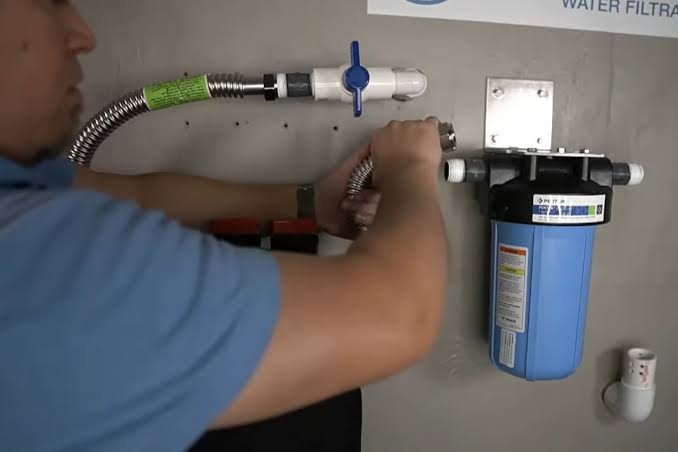
Hard water can put extra strain on your plumbing, appliances, and water softener. Following the right water softener tips can help control mineral buildup, prevent costly problems, and keep your system working efficiently.
When your system starts struggling with heavy mineral buildup, a little maintenance can make a big difference. Potomac Plumbing & Gas shares practical ways to troubleshoot common issues, protect your equipment, and keep soft water flowing throughout your home.
Understanding High Mineral Density and Softener Stress
Water conditioning units rely on ion exchange to swap heavy mineral ions with sodium or potassium ions. When raw supply contains high mineral density, the exchange resin reaches saturation at a much faster rate.
Data from the U.S. Geological Survey indicates that vast regions contend with very hard water exceeding 180 milligrams per liter of dissolved minerals. Under these severe circumstances, your conditioning unit works overtime, running frequent regeneration cycles that place extra mechanical stress on valves, motors, and electronic controllers.
Applying targeted water softener tips helps offset this extra stress. Knowing how heavy mineral exposure impacts internal parts allows home owners to catch subtle warning signs before complete mechanical failure occurs.
How Extreme Mineral Buildup Affects Your System
Excess calcium and dissolved iron create several operational bottlenecks inside a standard softening unit:
- Salt bridging where hardened crusts form above the water level in the brine tank, preventing proper brine creation.
- Resin bead fouling caused by iron deposits coating the exchange media, which drastically reduces mineral absorption capability.
- Valve chamber clogging due to sediment accumulation that restricts water flow during automatic backwash stages.
- Meter wheel sticking caused by mineral scale, which leads to inaccurate water volume tracking and missed regeneration cycles.
According to research from the Water Quality Association, untreated scale buildup forces water heating units and conditioning appliances to consume significantly more energy while shortening overall equipment service life. Following proven water softener tips guarantees your system continues to protect household plumbing from these damaging scale deposits.
Water Softener Tips
Key Maintenance and Tips for Homeowners
Proactive system care is the best defense against breakdown in demanding environments. Implementing practical water softener tips on a monthly schedule keeps brine production smooth and extends the lifespan of internal resin beads.
Breaking Up Salt Bridges and Mushing
A salt bridge occurs when high humidity or poor quality salt creates a hard crust inside the brine tank. This space beneath the crust prevents salt from dissolving in the water below, leaving your system unable to create the brine solution needed to recharge the resin bed.
To remove a salt bridge safely, follow these straightforward steps:
- Turn off the water supply valve leading to the conditioning unit or switch the unit into bypass mode.
- Use a blunt wooden instrument, such as the handle of a broom, to gently press down on the top crust.
- Break the salt bridge into smaller fragments until it falls into the water below.
- Vacuum out any leftover sludge or mushing residue at the bottom of the brine tank if salt accumulation has turned into a thick paste.
- Reset the control head and manually start a regeneration cycle to verify proper brine draw.
Executing these simple water softener tips keeps salt dissolving correctly and makes sure that every backwash cycle successfully cleans the resin.
Cleaning and Sanitizing the Resin Bed
Even when a system recharges properly with salt, iron and manganese particles can permanently coat the resin media over time. This iron fouling reduces softening capacity, causing hard water to leak into your home supply even when salt levels appear normal.
Pour a specialized resin cleaner into the brine well before running a manual regeneration cycle. For properties drawing from untreated wells, using a chemical iron remover twice per year restores lost exchange capacity and prevents premature resin replacement.
Professional Servicing and Water Quality Analysis
While DIY maintenance solves minor issues, severe mineral conditions often require expert intervention. Testing raw supply parameters guarantees your equipment settings match actual mineral concentrations. If raw supply conditions shift or system controls fail, professional technicians provide expert water testing to evaluate hardness, iron, and pH levels accurately.
When internal valves wear out or control boards fail, scheduling timely water softener repair restores accurate timing and proper valve actuation. If your existing unit is beyond repair due to extreme age or tank cracking, upgrading to a modern system through expert water softener installation makes sure that there is reliable protection against aggressive mineral buildup.
Water Softener Problems and the Right Water Heater Repair Solution
Severe conditions accelerate mechanical wear on moving parts inside control heads. When troubleshooting unit malfunctions, checking core mechanical operations resolves many common issues. Applying systematic water softener tips helps isolate electrical and mechanical faults quickly.
Checking the Motor, Valves, and Timer Settings
When a system fails to regenerate, the issue usually stems from power disruptions, motor failure, or worn drive gears. Inspecting the drive assembly reveals whether the valve motor shifts between service, backwash, brine draw, and rinse positions correctly.
- Verify electrical power output at the outlet and check transformer connections for damage.
- Check digital control board settings to guarantee hardness numbers match current test readings.
- Inspect drive gears for missing teeth or mineral buildup that jams movement.
- Manually advance the rotor valve to listen for motor engagement and motor shaft rotation.
By incorporating these basic diagnostic water softener tips, you can determine whether a quick gear replacement or a full valve overhaul is necessary.
Managing Low Flow Rates and Pressure Drops
A sudden drop in household water pressure often points to a clogged upper distributor basket or degraded resin inside the tank. In harsh environments, resin beads can break down into fine particles, creating an impenetrable barrier that blocks flow through the main riser tube.
If water pressure drops sharply when your system is active, switch the bypass valve to bypass mode. If home water pressure returns to normal immediately, the restriction lies within the softener resin tank or distributor tube. Replacing degraded resin or cleaning internal screens clears flow obstructions and restores full pressure throughout your home.
Interconnected Household Systems and Thermal Efficiency
Soft water performance impacts home appliances, especially water heaters. Heating hard water causes rapid calcium precipitation, forming thick scale layers along heating elements and storage tank bottoms. Guidelines from the U.S. Environmental Protection Agency emphasizes the importance of maintaining clean home water infrastructure to prevent plumbing damage.
When hard water bypasses a malfunctioning softener, heating units develop a severe scale that leads to efficiency loss, strange popping noises, and premature element failure. Identifying a reliable water heater repair solution helps eliminate existing scale deposits and protect heating elements.
Other than that, for homes utilizing modern compact heating units, arranging specialized tankless water heater repair removes scale blockages inside copper heat exchangers before permanent thermal damage occurs.
Advanced Water Softener Tips for Long Term System Reliability
Optimizing unit operation in demanding conditions requires ongoing attention to salt selection, regeneration frequency, and preventative settings. Implementing these advanced water softener tips makes sure that there is continuous system operation.
- Select high purity evaporated salt pellets to minimize dirt accumulation and brine tank sludge formation.
- Avoid using rock salt in high hardness conditions, as raw rock salt contains insoluble minerals that clog injector nozzles.
- Increase hardness setting numbers by three to five grains per gallon if raw supply contains high levels of clear water iron.
- Adjust regeneration timing to run during low usage hours, typically early morning, ensuring full water pressure during backwash steps.
- Clean brine injector nozzles and air check valves annually using vinegar or mild scale removers to prevent brine draw blockages.
Following these practical water softener tips keeps brine draw rates accurate and prevents unnecessary salt waste while maintaining peak softening power.
Frequently Asked Questions
Water softeners can develop different issues when dealing with high mineral levels. These common questions cover simple ways to maintain your system, spot potential problems, and keep it working efficiently.
How often should I clean my water softener brine tank?
In severe water conditions, clean the brine tank once per year. Removing accumulated salt sludge and dirt prevents bridge formation, keeps brine draw injectors clear, and maintains accurate brine concentration during recharges.
Why is my water softener motor running constantly?
A constantly running motor usually indicates a broken microswitch, worn drive gear teeth, or a damaged control board that fails to detect valve position. Inspecting internal switches and gear alignment pinpoints the mechanical cause.
What salt type works best in regions with severe mineral levels?
Evaporated salt pellets with high purity ratings work best in heavy mineral zones. Evaporated salt dissolves evenly, leaves minimal residue, and significantly reduces the risk of salt bridging and tank sludge accumulation.
How does hard water affect heating systems and appliances?
Hard water leaves a thick mineral scale inside heating tanks, heat exchangers, and pipe lines. This scale acts as an insulator, reducing heat transfer efficiency, increasing energy costs, and causing heating elements to burn out early.
Can a failing water softener damage internal household plumbing?
Yes. When a water softener fails, raw mineralized water flows into household pipes, causing scale deposits inside faucets, showerheads, and copper lines. In severe cases, broken resin beads can escape the tank and clog plumbing fixtures throughout the house.
Keep your water softener running smoothly with regular care and the right maintenance. For expert help with repairs or system issues, contact Potomac Plumbing & Gas today and keep soft water flowing throughout your home.