
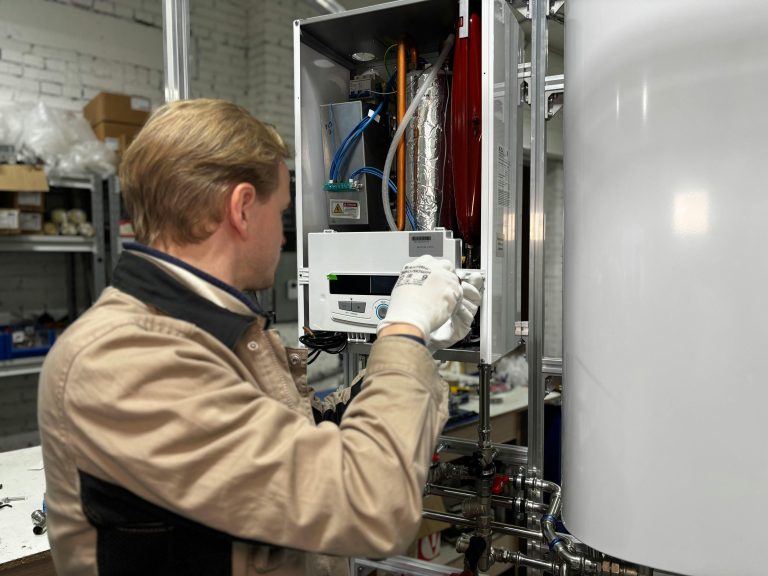
During holidays, family visits, or colder months, your water heater works harder than usual. Regular water heater care helps prevent breakdowns, improve efficiency, and keep hot water flowing when your household needs it most.
In this blog, Potomac Plumbing & Gas walks you through practical steps to inspect, adjust, and maintain your equipment. Whether you rely on a traditional tank unit or an on-demand system, these proactive measures will protect your plumbing investment.
Understanding the Strain of Water Heater Heavy Use
Household water heaters are designed to maintain temperature levels under normal daily conditions. However, when multiple people take consecutive showers while appliances run simultaneously, the demand often exceeds the standard heating recovery rate.
What Heavy Water Demand Does to Tank Systems
Traditional tank systems store a set amount of heated water, typically between forty and eighty gallons. When several family members shower within a short timeframe, cold water enters the tank to replace the outgoing hot water. This rapid influx lowers the overall water temperature inside the reservoir.
As a result, the heating elements or gas burners must run continuously to restore temperature levels. Continuous operation increases energy consumption and creates internal thermal stress. Over time, this constant heat expansion and contraction accelerates metal fatigue and speeds up internal corrosion.
How High Volume Impacts Tankless Systems
Tankless units heat water instantly as it flows through the heat exchanger. While they do not run out of hot water like tank models, high demand creates a different operational challenge: flow rate capacity.
When several fixtures use hot water at once, the system spreads its heating power across every outlet. Water heater heavy use can push the unit beyond its flow capacity, resulting in cooler water from every faucet.
Important Steps to Prepare Your Water Heater
Proactive maintenance eliminates minor issues before high demand triggers a complete breakdown. Following a structured checklist helps keep your equipment running smoothly during busy seasons.
1. Flush Sediment from the Tank
Sediment buildup can reduce your water heater’s efficiency and make it work harder than necessary. As part of routine water heater care, flush the tank once a year to remove mineral deposits, improve performance, and help prevent uneven water temperatures and unnecessary wear.
2. Check and Adjust the Thermostat Setting
According to the U.S. Department of Energy, setting your water heater to 120°F helps reduce energy costs, lowers the risk of scalding, and slows mineral buildup inside your tank and pipes.
If you anticipate a high volume of guests, keeping the temperature right at 120 degrees prevents excessive burner cycles while maintaining household comfort.
3. Inspect the Anode Rod
The anode rod helps protect your water heater from rust by attracting corrosive minerals before they can damage the tank. Check it every two to three years, and replace it if it’s heavily worn to help prevent leaks and extend the life of your water heater.
4. Test the Temperature and Pressure Relief Valve
The temperature and pressure relief valve is an important safety feature that helps prevent excessive pressure from building up inside your water heater. Test it occasionally to make sure it works properly, and if it sticks or continues to leak, have it replaced by a qualified technician right away.
5. Insulate Cold and Hot Water Pipes
Heat loss occurs as hot water travels through uninsulated pipes from the heater to distant faucets. Insulating accessible hot water pipes retains heat energy, allowing water to arrive at fixtures hotter without raising the thermostat.
In addition, applying an insulating jacket around older storage tanks located in unheated areas like basements or garages reduces standby energy loss. Following ENERGY STAR maintenance guidelines for proper pipe insulation helps keep your utility expenses manageable during peak periods.
Helpful Maintenance Reminders
Schedule Regular Flushes
Routine flushing prevents severe scale buildup that ruins internal components and causes premature failure.
Monitor Water Quality
Hard water accelerates mineral buildup, so installing a dedicated water softener installation system protects your entire home plumbing network.
Check Pressure Levels
High municipal water pressure places extra strain on tank seams, making pressure regulators necessary for longevity.
It doesn’t take much to prepare your water heater, but doing so can help prevent costly repairs, improve performance, and guarantee dependable hot water during busy times.
Proactive Practices for Long Term Water Heater Care
Routine water heater care should extend beyond occasional seasonal checks. Adopting consistent habits throughout the year safeguards your entire household plumbing infrastructure.
Improving Household Water Quality
Hard water contains elevated concentrations of dissolved minerals. When hard water undergoes rapid heating, those minerals solidify quickly, coating heating elements and clogging internal pipe pathways.
Professional System Inspection
Scheduling professional service before heavy usage periods guarantees all internal wiring, gas burners, exhaust flues, and control modules receive thorough evaluation.
Pressure Regulation Monitoring
High municipal water pressure places extra strain on tank seams and internal plumbing fittings. Installing a pressure reducing valve maintains safe incoming pressure, shielding plumbing components from sudden pressure spikes.
Proper water heater care includes maintaining proper water pressure, checking expansion tanks, and addressing minor leaks as soon as they appear. If you observe water pooling around the base of your unit, prompt leak detection prevents severe structural damage to surrounding flooring and subfloors.
How Tank and Tankless Water Heater Maintenance Differs
Both storage tank systems and tankless units require dedicated maintenance, though their specific servicing needs differ slightly.
Whether you have a tank or tankless water heater, regular maintenance helps it run efficiently and last longer. Annual flushing or descaling, along with routine inspections, can reduce wear, improve performance, and keep your hot water flowing when you need it most.
Signs It’s Time to Call a Water Heater Professional
Recognizing early warning signs allows you to address mechanical issues before a complete failure occurs during high demand.
Discolored or Rusty Tap Water
If hot water coming from your taps appears brownish or reddish, internal corrosion may be taking place inside the tank. Alternatively, rusted piping elsewhere in the home could be releasing debris into the hot water line.
Unusual Noises During Operation
Banging, knocking, or loud popping sounds indicate thick sediment resting at the bottom of the tank. As trapped water beneath the sediment boils, it creates steam bubbles that burst through the mineral crust, causing loud noises.
Unusually Slow Heat Recovery Time
If your household runs out of hot water significantly faster than usual, or if the unit takes hours to reheat, heating elements may be burnt out, gas burners may be misaligned, or heavy scale may be insulating the heat source.
Water Pooling Near the Unit Base
Any visible water surrounding the base requires immediate inspection. Leaks can stem from loose drain valves, failing relief valves, or structural cracks within the inner storage tank itself.
When system failure occurs or equipment reaches the end of its operational life, professional water heater installation restores reliable hot water service with modern, energy efficient models.
Energy Saving Tips for High Usage Periods
Preparing your system for high demand does not mean you have to accept astronomical utility bills. Incorporating simple energy conservation strategies helps balance hot water availability with monthly expenses.
First, install high efficiency low flow showerheads throughout the home. Modern low flow fixtures reduce overall water volume by up to thirty percent without sacrificing water pressure, easing demand on the heating unit.
Second, spread out high volume domestic tasks. Staggering dishwashing, laundry cycles, and showers throughout the day gives the heating tank time to recover fully between uses.
Third, wash laundry clothes in cold water whenever possible. Modern laundry detergents clean clothing thoroughly in cold water, saving significant amounts of heated water for personal bathing.
Fourth, fix dripping faucets quickly. A slow hot water leak can waste hundreds of gallons over a single month, causing your unit to fire up repeatedly for no reason. For additional efficiency guidance, you can review helpful tips provided by the Consumer Financial Protection Bureau regarding household utility budgeting and management.
Implementing these practices alongside regular water heater care keeps energy consumption under control even during the busiest holiday seasons.
When Upgrading Becomes the Best Solution
Even diligent water heater care cannot keep an aging unit running forever. Most traditional tank models deliver reliable service for eight to twelve years, while tankless models last up to twenty years with proper care.
An older water heater that struggles during busy times or needs constant repairs may be ready for an upgrade. Upgrading to modern high efficiency units or choosing a tankless water heater installation provides endless hot water on demand while cutting energy consumption significantly over time.
Consulting with licensed professionals helps you select the right sizing and fuel type for your household needs. Expert technicians evaluate your home water usage patterns, piping diameter, and gas line capacity to recommend an ideal replacement solution.
Keep Your Water Heater Running Strong with Potomac Plumbing & Gas
Preparing your water heater for heavy use preserves household comfort, protects your plumbing investment, and lowers energy expenses during busy periods. From annual flushing and valve inspections to full unit replacements, proactive maintenance prevents sudden failures when you need hot water most.
At Potomac Plumbing & Gas, our licensed technicians provide complete water heater maintenance, diagnostic repairs, and energy efficient upgrades. Whether you need immediate water heater repair or want to schedule seasonal maintenance, our team delivers prompt, professional plumbing solutions tailored to your home. Contact us today!
Frequently Asked Questions
Preparing your water heater for heavy use can raise a few questions. Here are some quick answers to help you keep your system running efficiently and avoid unexpected issues during busy times.
How far in advance should I prepare my water heater for houseguests?
It is best to perform maintenance tasks, such as flushing sediment or checking the anode rod, at least two weeks before houseguests arrive. Performing service in advance allows you to verify that all valves seal properly and that the unit operates smoothly without unexpected leaks.
Why does my hot water run out faster when I have guests staying over?
When multiple people use hot water consecutively, the volume of incoming cold water quickly lowers the average temperature inside the tank. If the recovery rate of the heating element cannot match the rate of water consumption, the available hot water supply empties faster than normal.
Can I increase my water heater temperature temporarily during heavy use?
While raising the temperature slightly might seem like a quick way to stretch hot water volume, setting the thermostat above 120 degrees Fahrenheit increases scalding risks and accelerates mineral buildup inside the tank. Staggering shower times is a safer and more efficient alternative.
How do I know if my water heater needs a professional tune up?
If you hear loud popping noises, notice rusty water coming from hot taps, experience inconsistent water temperatures, or see water pooling around the unit, scheduling a professional tune up is highly recommended before heavy usage periods begin.
Does hard water affect water heater performance during high demand?
Yes, hard water contains dissolved minerals that solidify quickly when heated. These minerals form a thick layer of sediment at the bottom of the tank or inside the heat exchanger, drastically reducing heating efficiency and slowing down hot water recovery times.
Don’t let water heater problems catch you off guard. Turn to Potomac Plumbing & Gas for dependable maintenance, fast repairs, and expert service that keeps your home comfortable year-round.