
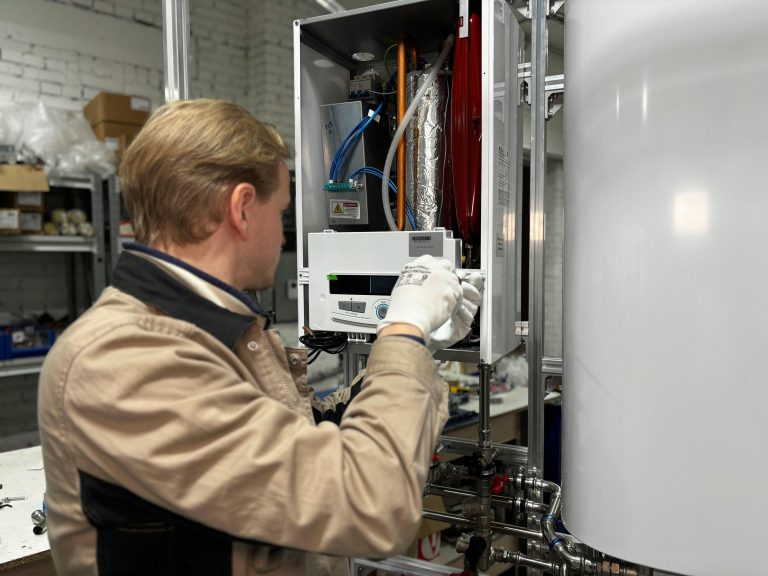
Imagine stepping into the shower on a freezing winter morning, only to find there’s no hot water. Cold temperatures can take a toll on your water heater, especially when it’s installed in an exposed or poorly heated area. Knowing how to protect winter tankless water heaters can help you avoid sudden breakdowns and costly repairs.
At Potomac Plumbing & Gas, we help homeowners enjoy reliable hot water even during the coldest months. With professional service and flexible financing options for qualifying repairs and installations, we make it easier to keep your system running smoothly without putting off necessary work.
Why Tankless Water Heater Winterization Matters
Tankless water heaters provide hot water whenever you need it, but freezing temperatures can put your system at risk. Even without a storage tank, water remains inside certain components, making proper winterization important for avoiding unexpected damage.
Here’s why preparing your tankless water heater for winter matters:
- Prevents freezing damage: Water trapped inside heat exchangers, valves, and pipes can freeze and expand, potentially damaging important components.
- Protects plumbing connections: Freezing temperatures can weaken fittings and cause leaks once the ice begins to thaw.
- Reduces unexpected breakdowns: Taking precautions before temperatures drop can help prevent sudden hot water interruptions.
- Supports built-in freeze protection: Some systems have freeze protection features, but they may require electricity and might not protect external pipes.
- Helps avoid costly repairs: Proper winterization can reduce the risk of damage that may require professional repairs or replacement.
Taking a little time to prepare your tankless water heater before winter can save you from bigger headaches later. With proper care and attention, you can help protect your equipment and enjoy reliable hot water throughout the colder months.
How Freezing Temperatures Affect Winter Tankless Water Heaters
Understanding what happens during freezing weather makes it easier to recognize why preventive care matters.
Water Can Freeze Inside the Unit
Even though tankless heaters do not store water in a large tank, water remains inside certain components between uses. If the surrounding temperature becomes cold enough, that water can freeze and expand. The resulting pressure may damage the heat exchanger, internal tubing, valves, or fittings.
Exposed Plumbing Connections Are Vulnerable
A water heater might be protected while its connected pipes remain exposed to cold air. Supply lines near exterior walls, crawl spaces, garages, and other unheated locations may freeze before the heater itself. Frozen pipes can interrupt water flow and potentially cause leaks or bursts.
Power Outages Can Disable Freeze Protection
Some tankless water heaters have built-in systems designed to reduce freezing risks. However, these protections often require electricity. During a winter storm, a power outage may leave the equipment without active freeze protection. That’s why homeowners should understand their unit’s specific winterization requirements rather than relying entirely on automatic features.
Outdoor Installations Face Greater Exposure
Tankless units approved for outdoor installation are designed for specific operating conditions, but they are not immune to extreme weather. Wind, sustained freezing temperatures, and interrupted electrical service can create additional challenges. Following the manufacturer’s installation and freeze protection instructions is essential for outdoor equipment.
Warning Signs Your Tankless Water Heater Needs Winter Attention
Cold weather problems do not always begin with a complete loss of hot water. Your system may show smaller warning signs first.
Hot Water Takes Longer Than Usual
If your faucets suddenly take longer to deliver hot water, something may be affecting system performance. Possible causes include changes in water flow, equipment settings, mineral buildup, or other mechanical issues. Although delayed hot water does not automatically indicate freezing, a noticeable change deserves attention.
Water Temperature Fluctuates
Does your shower alternate between warm and cold water? Inconsistent temperatures may indicate flow restrictions, heating problems, or equipment malfunctions. If this happens repeatedly, especially during cold weather, professional evaluation can help determine the cause.
Water Pressure Drops Unexpectedly
Reduced pressure at hot water fixtures can result from several issues, including restricted plumbing or partially frozen pipes. If water pressure suddenly decreases during freezing weather, avoid repeatedly operating the system until the cause is understood. Our experienced plumber can help assess your plumbing and identify potential problems.
The Unit Displays Error Codes
Many modern tankless heaters display diagnostic codes when something interferes with normal operation. These codes may relate to ignition, airflow, water flow, temperature sensors, or other components. Check your manufacturer’s manual to understand the warning, and arrange professional service when necessary.
You Notice Leaks Around the Heater
Water collecting beneath the equipment or around its connections should never be ignored. Leaks can result from worn fittings, damaged seals, or components affected by freezing. If you suspect freeze damage, follow the manufacturer’s shutdown instructions and contact a qualified professional before restarting the unit.
How to Protect Winter Tankless Water Heaters From Freezing
A good winterization plan focuses on the heater, connected plumbing, installation location, and the equipment’s operating requirements.
Keep the Installation Area Warm
If your tankless water heater is installed indoors, maintain adequate heating in the surrounding space. Pay attention to garages, utility rooms, and unfinished basements where temperatures may drop significantly. Check for drafts around doors, windows, and exterior wall openings. Maintaining a suitable temperature can reduce the risk of water freezing inside the equipment.
Insulate Vulnerable Water Pipes
Exposed plumbing connections can be vulnerable even when the heater itself has freeze protection. Appropriate pipe insulation may help reduce heat loss, but it does not guarantee protection during prolonged freezing conditions. For more information on improving your home’s energy efficiency, explore the U.S. Department of Energy’s Energy Saver resources.
Ask a professional which insulation or other approved protective measures are suitable for your installation. Never cover vents, combustion air openings, exhaust components, or other areas the manufacturer requires to remain clear.
Maintain Reliable Electrical Power
If your tankless heater uses electrical freeze protection, keeping power available is important. Avoid disconnecting the equipment during freezing weather unless you are following the manufacturer’s complete winterization procedure. If your area experiences frequent winter outages, ask a qualified professional about safe, manufacturer-approved backup power options.
Understand Your Heater’s Freeze Protection Features
Not all tankless water heaters provide the same level of freeze protection. Some models use internal heaters or automatic functions to protect certain components under specified conditions. These features may have temperature limits and may not protect connected pipes. Review your owner’s manual so you understand what your system can and cannot do.
Follow the Correct Winterization Procedure
If your property will be vacant or the heating system will be turned off, the tankless heater may need to be drained according to its manufacturer’s instructions. Proper winterization may involve shutting off utilities, isolating water connections, and draining designated components.
The exact procedure depends on the heater model and installation. Because incorrect draining can leave water trapped inside the unit, professional assistance is often the safest choice.
Can You Prevent Water Heater Freeze During a Power Outage?
Power outages create a particular challenge for winter tankless water heaters because many protective features require electricity. If the heater loses power while temperatures remain below freezing, water inside the unit or its connected pipes may be at risk.
Know Your System Before a Storm
Review the owner’s manual before severe weather arrives. Identify the manufacturer’s instructions for power interruptions, freezing temperatures, and draining the unit. For additional guidance on preparing your home for severe winter conditions, visit Ready.gov’s winter weather preparedness guide.
Keep your water heater’s instructions accessible so you’re not searching for them during an emergency.
Avoid Unsafe Heating Methods
Never use an open flame, torch, or other uncontrolled heat source to thaw a frozen water heater or pipe. Excessive heat can damage plumbing components and create fire hazards. The American Red Cross recommends safer approaches to dealing with frozen pipes.
If you suspect freezing, stop using the affected equipment and arrange professional assistance.
Check for Leaks After Temperatures Rise
Freeze damage may not become obvious until ice melts and water begins flowing again. Before returning a suspected frozen system to normal operation, inspect visible connections for signs of moisture.
If there is any indication of damage, have the equipment evaluated before restarting it. Taking these precautions can help prevent water heater freeze damage from becoming a more serious plumbing emergency.
When Should You Call for Professional Tankless Water Heater Repair?
Some winter preparation involves simple household checks. However, mechanical problems, suspected freezing, and repeated hot water interruptions require professional attention.
When Hot Water Becomes Unreliable
If your heater frequently loses temperature, shuts down unexpectedly, or struggles to deliver consistent hot water, the problem may involve internal components or system settings. A professional inspection can identify the cause and determine the appropriate repair.
When You Suspect Frozen Components
A frozen tankless heater should not be restarted simply because temperatures have risen. Ice expansion may already have damaged internal components.
Our tankless water heater repair services can help address equipment problems and restore dependable operation.
When Leaks or Error Codes Keep Returning
Recurring leaks, persistent diagnostic warnings, and repeated shutdowns are signs that the equipment needs further attention. Professional water heater repair can help identify the underlying issue rather than relying on temporary adjustments.
Before Leaving Your Home Unheated
If you plan to leave your property vacant during winter, ask a professional whether the water heater and connected plumbing require winterization. The right approach depends on your equipment, installation location, and whether heating and electrical power will remain available.
If you’re comparing plumbing companies near me, our team at Potomac Plumbing & Gas helps homeowners in Front Royal and surrounding service areas address their plumbing and hot water concerns.
What Happens During a Professional Winter Water Heater Inspection?
A professional inspection helps identify existing problems and determine whether additional protection is needed before severe weather arrives.
Evaluating the Heater’s Condition
We begin by reviewing the symptoms you’ve noticed and assessing the equipment’s visible condition. Signs of leakage, unusual wear, corrosion, or previous freezing damage can help guide the evaluation.
Checking Water Connections
Supply pipes, valves, and accessible fittings are important parts of the inspection. Connections exposed to cold temperatures may need additional protection or attention. The goal is to identify vulnerable areas before they create problems.
Reviewing Equipment Operation
A technician can evaluate how the system responds during normal hot water use and investigate any recurring error messages. Depending on the diagnosis, further testing or maintenance may be recommended.
Discussing Winter Protection Options
Every installation is different. We can help homeowners understand appropriate maintenance steps and whether additional freeze protection measures should be considered. A careful inspection gives you a clearer picture of your heater’s condition and helps you plan for the colder months.
Common Winterization Mistakes to Avoid
Even well-intentioned homeowners can overlook important details when preparing their plumbing for winter.
Assuming Tankless Means Freeze-Proof
A tankless water heater contains less stored water than a traditional tank system, but it still contains water that can freeze. Built-in protective features are useful, yet they should never be treated as a guarantee against freezing damage.
Forgetting About Connected Pipes
Protecting the heater while leaving exposed supply lines vulnerable can still lead to interrupted water service. Consider the entire installation, including plumbing connections and surrounding temperatures.
Turning Off Power Without Draining the Unit
Disconnecting electricity may disable the heater’s freeze protection features. If the property will remain exposed to freezing conditions, follow the manufacturer’s complete winterization procedure rather than simply switching off the unit.
Ignoring Small Leaks
A minor drip may seem manageable, but freezing weather can make existing plumbing problems more difficult to address. Arrange an inspection when leaks appear instead of waiting for a larger failure.
Attempting Repairs Without Proper Guidance
Tankless water heaters contain electrical components and, depending on the model, gas connections and combustion systems. Improper repairs can create serious safety risks. Leave internal repairs, gas work, and complex winterization procedures to qualified professionals.
Repair or Replace: What’s Best for an Aging Tankless Water Heater?
Winter problems sometimes reveal that an older water heater is approaching the end of its useful life. If your system has an isolated, repairable problem, restoring the affected component may be the most practical option.
However, repeated breakdowns, significant freeze damage, expensive component failures, or ongoing performance issues may make replacement worth considering. A professional assessment can help you compare repair costs, equipment condition, and expected future reliability.
If replacement makes more sense, our water heater installation services can help you explore an appropriate option for your household. The goal is not to replace equipment unnecessarily. It’s to help you maintain dependable hot water with a solution that fits your home’s needs.
Protect Your Tankless Water Heater With Potomac Plumbing & Gas
A freezing winter morning is the last time you want to discover that your water heater has stopped working.
At Potomac Plumbing & Gas, we help homeowners address tankless water heater problems, understand their equipment, and prepare their plumbing for seasonal challenges. Whether you need an inspection, professional repair, or help evaluating a replacement, we’re here to provide practical recommendations.
Contact us today to schedule your tankless water heater service. Ask about our financing options for qualifying projects and whether any current discounts are available for your service. Our team can confirm applicable offers and eligibility before work begins.
Don’t wait until freezing temperatures leave you without hot water. Let Potomac Plumbing & Gas help you keep your home comfortable and your hot water flowing throughout winter.
Frequently Asked Questions
Preparing your tankless water heater for freezing weather can raise several questions. Here are answers to common concerns about protecting your equipment and keeping hot water available during winter.
- Can tankless water heaters freeze in winter?
Yes. Tankless water heaters contain water inside internal components and connected plumbing. If temperatures fall below freezing and adequate protection is unavailable, that water can freeze and potentially damage the equipment.
- Do tankless water heaters have built-in freeze protection?
Some models include built-in freeze protection features. However, their effectiveness depends on the manufacturer’s specifications, installation conditions, and available electrical power. These features may not protect external plumbing.
- Should I turn off my tankless water heater during freezing weather?
Not automatically. Some systems rely on electricity for freeze protection, so switching them off could increase freezing risks. Follow the manufacturer’s instructions for your specific model, especially if the property will be vacant.
- How can I prevent water heater freeze damage?
Maintain suitable temperatures around indoor equipment, protect vulnerable pipes, understand the unit’s freeze protection features, and follow approved winterization instructions when necessary. Professional guidance can help with exposed installations.
- What should I do if my tankless water heater freezes?
Avoid operating the unit, forcing valves, or applying direct high heat. Follow the manufacturer’s safety instructions and arrange professional inspection before returning the equipment to service.
Preparing your equipment before freezing temperatures arrive can help you avoid inconvenient breakdowns and unexpected repairs. If your system shows warning signs or you are unsure about its freeze protection, our team at Potomac Plumbing & Gas is ready to help.
